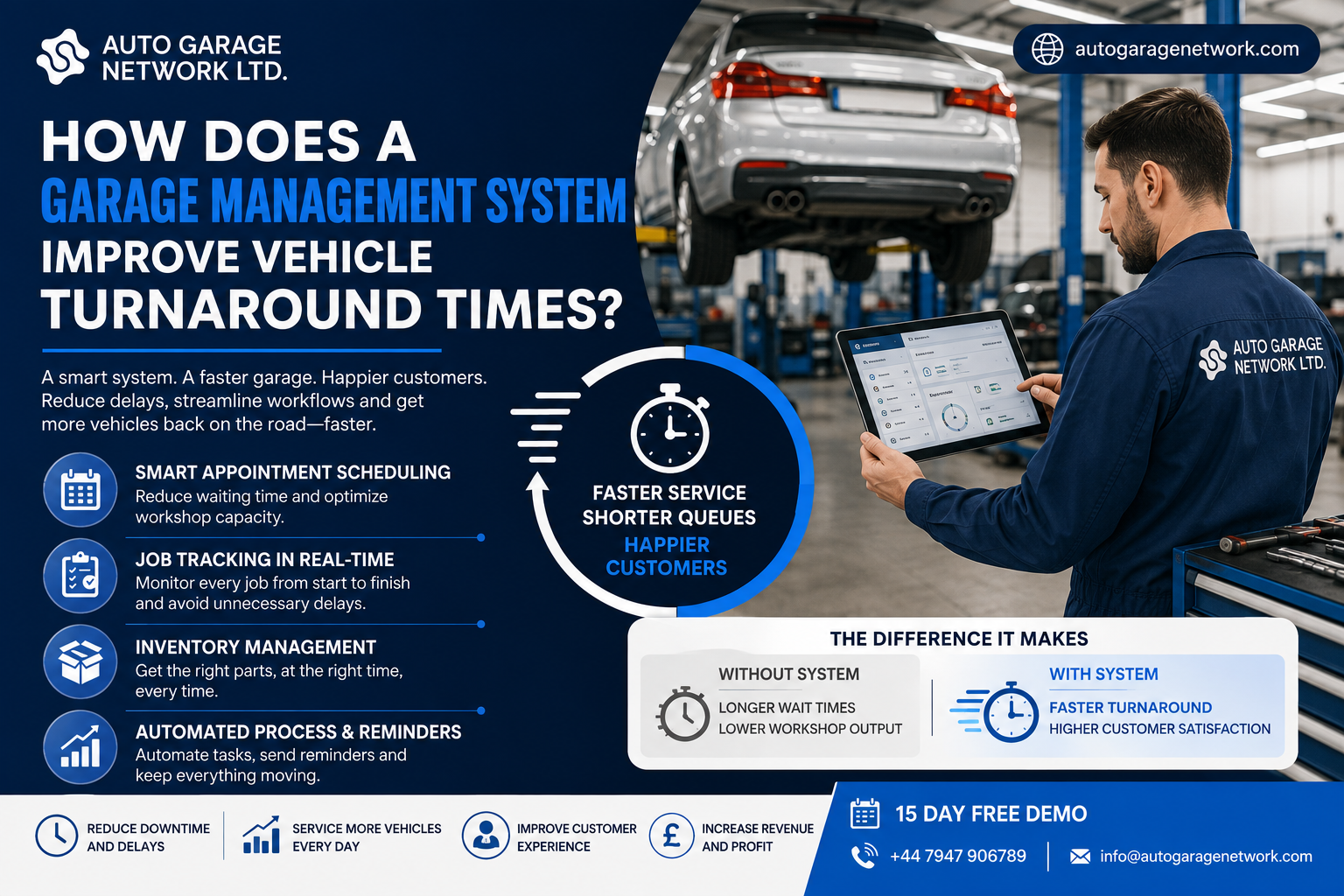
Waiting for your vehicle to get done with the repairs and service is a time-taking process. Garages are continually seeking ways to serve their customers faster without sacrificing quality. Technology has transformed the way workshops operate, helping staff work smarter and vehicles exit the garage more quickly. This blog explores the ways in which today's tools make garages fast and efficient, and how that benefits the staff and customers.
The Growing Need for Efficiency
The pressure on garages today is greater than ever. Consumers want the job done promptly, with clear information and reasonable rates for services rendered. Meanwhile, garages have to handle several cars, mechanics, and appointments every day. If proper systems are not in place, problems can quickly add up, frustrating customers and stressing staff. That is why efficient tools have become an important part of daily garage operations.
Reducing Manual Paperwork Delays
Paper systems can slow down the workflow in a garage. Staff waste time writing job cards, looking for files, and manually updating records. These tasks divert attention from the actual repair work and raise the likelihood of errors.
-
Handwritten notes are no longer required with digital job cards.
-
Records can be updated instantly by all team members.
-
Information remains centralised and organised.
-
Staff have less time to spend looking for missing paperwork.
This reduces the time spent on paperwork and enables the technician to spend more time working on the vehicle.
Streamlining Job Scheduling
During the busy season, it's hard to schedule appointments and allocate jobs to the appropriate technician. The lack of structure in the schedule can cause vehicles to sit idle while people figure out what comes next. With the right planning tools, garages can ensure everyone gets a fair share of the work and doesn't end the day with nothing done.
-
Appointments are not double-booked.
-
Technicians are well informed on what to do.
-
The workload is distributed amongst the team members.
-
Downtime between jobs is drastically decreased.
This type of planned organisation ensures that the workshop proceeds in an orderly fashion from one task to the next.
Improving Parts and Inventory Tracking
The number one reason for delays in any automotive repair shop is waiting for parts to be delivered or located. Manual stock-takes take time and are prone to ordering errors. With inventory tracking by garage management software, employees can know immediately what is in stock without having to leave their computer.
-
Stock levels are always displayed in real time.
-
Reordering occurs before parts run out.
-
Staff do not spend time looking for items in storage areas.
-
The number of vehicles waiting for missing parts decreases.
More visibility into parts means fewer delays during repairs.
Enhancing Communication With Customers
Good communication with customers is important for a smooth repair process. Many delays are caused by customers not being available for approval or feedback. Automated updates and messages fill this gap and reduce the need for constant phone calls.
-
The status of a job is reported to the customer as soon as it changes.
-
Approval requests can be sent and approved online.
-
Fewer missed calls lead to faster decision-making.
-
Staff are not wasting time following up with customers for responses.
With clear communication, approvals are quicker, and vehicles aren't waiting needlessly.
Supporting Technicians on the Floor
Having quick access to information helps technicians work more efficiently. Searching manually for vehicle history, previous repair records, or manufacturer guidelines delays diagnosis and repair. Technicians can access relevant information immediately with digital tools, making them more confident and efficient.
-
Vehicle history can be accessed with a single click.
-
Diagnostic notes are clearly recorded for future reference.
-
Technicians save time in finding information.
-
Fewer interruptions during repairs are made.
This support enables the technicians to spend time on the job and working on the repair, instead of administrative work.
Tracking Vehicle Progress Accurately
Being able to know exactly where a vehicle is in the repairs is critical in order to keep things on track. If your business doesn't have a tracking system, it's easy for staff to lose track of where a job is in the process, leading to confusion and delays. Digital tracking instruments provided by a garage management system give a straightforward view of all vehicles at any time.
-
Log each step of the repair and see it.
-
Managers can see bottlenecks in no time at all.
-
Staff are well informed about what needs to be worked on next.
-
The workshop operates with fewer delays as vehicles travel through the repair process.
Keeping track ensures everyone is held accountable and work is managed efficiently throughout the day.
Minimising Errors and Rework
Rework can cause unnecessary delays in the repair process. Accurate information is essential for preventing errors, which can occur when information is unclear, missing, or inaccurate. By maintaining consistent records and providing easy-to-access information, reliable systems can help minimise these problems.
-
Clear job notes help to eliminate misunderstandings between staff.
-
Errors can be detected and corrected earlier in the process.
-
Rework is reduced, giving staff more time for other work.
-
Quality checks are integrated into the day-to-day process.
Conclusion
Fewer errors mean fewer vehicles need to be returned for further visits, reducing total turnaround time. Many garages have discovered that implementing GMS has helped them organise what was once a confusing process and enabled their employees to plan their day with much more confidence.
Garages that use modern systems operate more smoothly than those that still use manual systems. Staff communicate effectively, jobs are tracked accurately, and the small errors that get in the way of getting jobs done are reduced. With customer expectations continuing to grow, having reliable tools is no longer optional but essential for keeping a workshop efficient and reliable throughout the day.